
Thinking of buying a counterfeit? Think again!
The first victim of counterfeiting is you. When you buy counterfeit goods:
- you put your health and safety at risk
- you finance organised crime
- you support undeclared and child labour
- you condone the theft of expertise and know-how
- you destroy jobs and stifle growth
- and, above all, you expose yourself to criminal penalties
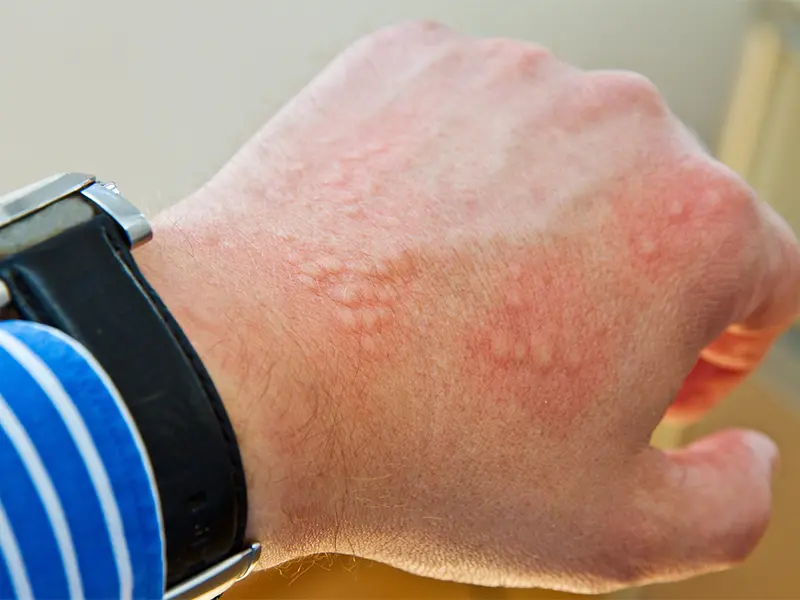
Buying counterfeits puts your health and safety at risk
Counterfeiters care nothing for safety standards, the materials they use or, least of all, your health and safety. Profit is their only concern. Counterfeit watches are generally made from less durable materials, some of which may even be harmful (allergenic, toxic and so on).

Buying counterfeits supports and finances organised crime
You do not condone theft or drug trafficking. Yet counterfeit goods are sold through the same channels and by the same criminals. Links between counterfeiting and criminal networks have been established in numerous cases: counterfeiting often relies on the same infrastructure and transport networks as other illegal activities, including drug and arms trafficking, smuggling and prostitution.

Buying counterfeits supports undeclared and child labour
People exploited in the manufacture of counterfeit goods, including many children, work in extremely difficult conditions, receive meagre wages and, of course, have no legal, social or medical protection.
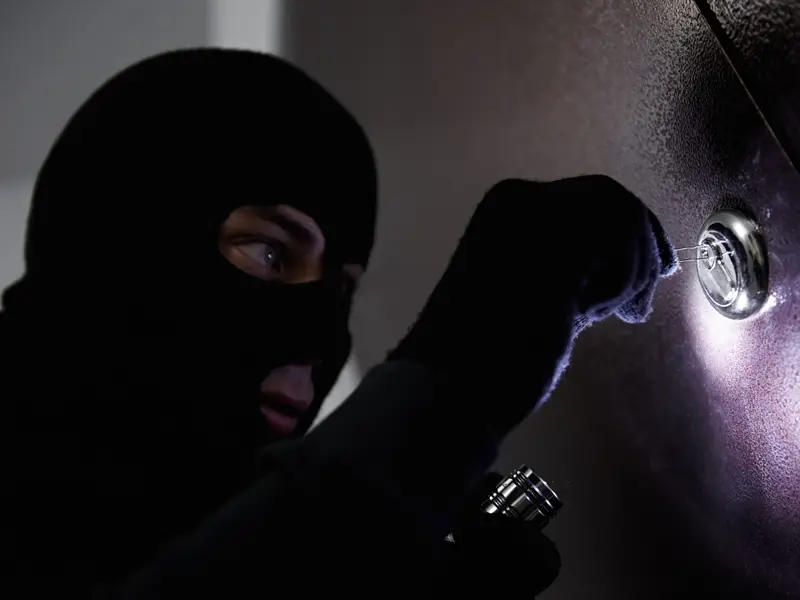
Buying counterfeits means condoning the theft of know-how
Counterfeiters appropriate the reputation of others and unfairly benefit from investments made by holders of intellectual property (IP) rights. Intellectual property protection has both a moral basis (creations must be recognised and protected) and an economic one (investment and risk-taking must be rewarded). Intellectual property is therefore a factor in development and progress.
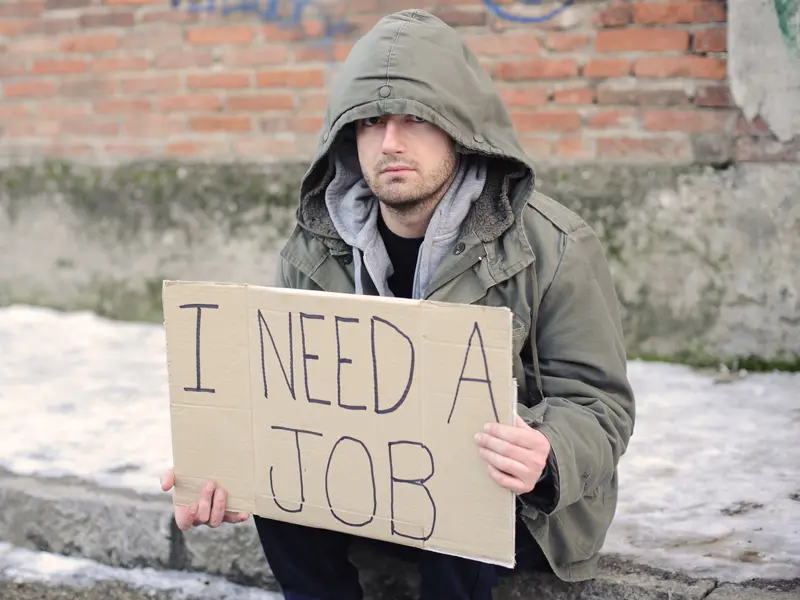
Buying counterfeits destroys jobs and stifles growth
Counterfeiting directly affects legitimate distribution networks, which are often unable to compete. Bankruptcies increase, resulting in job losses. Counterfeiting contributes to the loss of more than 200,000 jobs worldwide each year, including 100,000 in Europe. For governments, this also means lost tax revenue and therefore public funds that cannot be reinvested.
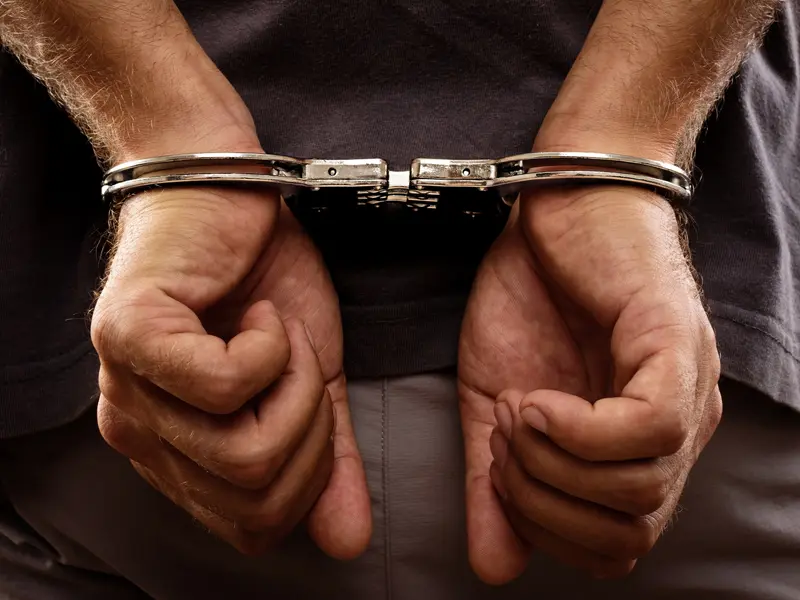
Buying counterfeits exposes you to criminal penalties
Buying counterfeit goods is not a trivial act. As a buyer, you expose yourself to criminal, civil and customs penalties. In many countries, simply possessing counterfeit goods is considered an offence. In addition, legitimate holders of intellectual property rights may seek damages. Customs authorities also have the power to seize and destroy illegal goods and impose substantial fines.